
After the Outsider Art Fair 2026: What “Outsider” Is Signaling Now
And why this matters for how we collect - slowly, seriously, and with heart
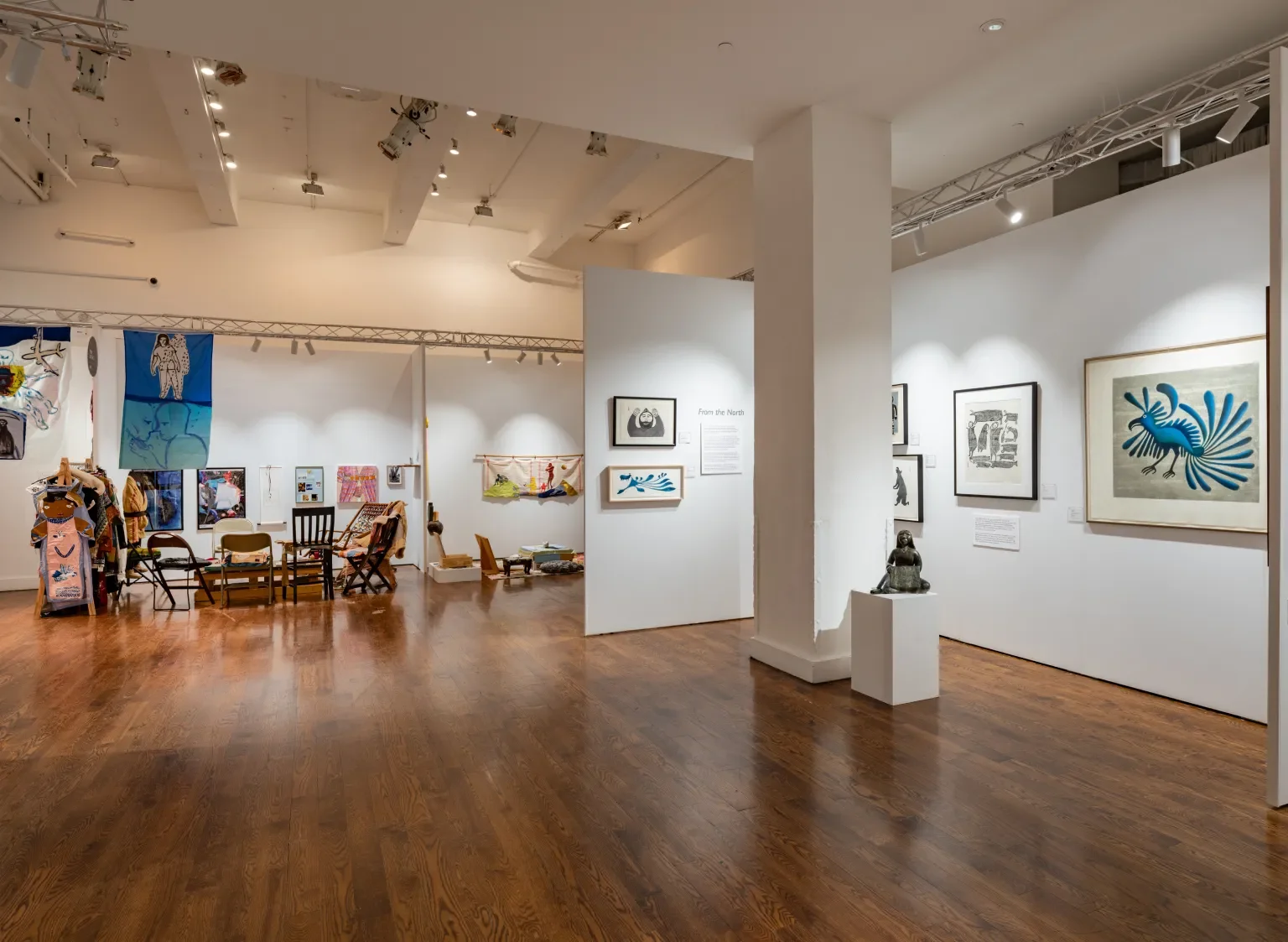
Image Courtesy Outsider Art Fair
Every spring, New York becomes a kind of pressure cooker for the art world. Booths, previews, dinners, a thousand fast impressions. In the middle of that bustle, the Outsider Art Fair continues to feel like its own distinct weather system - less polished in the blue-chip way, more human, more surprising, and often more emotionally direct.
The fair returned to the Metropolitan Pavilion in Chelsea for its 34th edition (March 19–22, 2026) with 68 exhibitors - a mix that spans galleries, independent dealers, studios, and nonprofits. It has long been positioned as a home for artists working outside formal academic and institutional pathways, and this year’s coverage made one thing clear: the category is not shrinking into a niche. It’s expanding into the center of the conversation.
For Curio, where we work closely with self-taught / outsider-adjacent artists and care deeply about the way art lives in real homes, this fair is worth paying attention to. Not as trend-chasing, but as a barometer: what is the broader art world finally ready to see, value, and hold responsibly?
A quick, human definition of “outsider art”
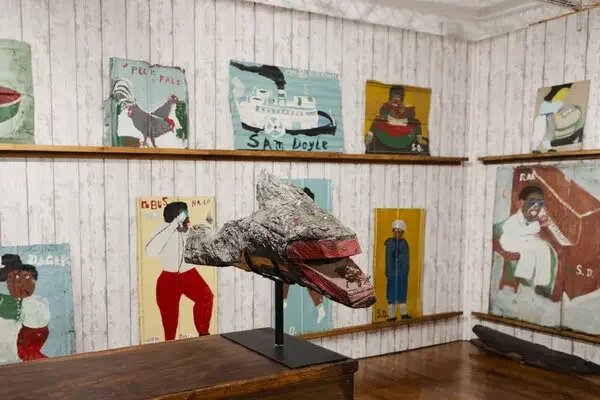
Image Courtesy Outsider Art Fair
The phrase “outsider art” is slippery, and it’s always been debated. It’s often used alongside terms like self-taught, folk, visionary, naïve, autodidactic - labels that attempt to describe artists whose practices sit outside conventional training and career routes.
But the best reviews this year gently pushed against treating “outsider” as a separate aesthetic category. Hyperallergic put it plainly: the key isn’t to view this work as a charming side lane, it’s to recognize its capacity and merit as equal to all other art forms, and to stop letting labels reduce our aesthetic attention.
That point matters. Because the moment we frame the work as “other,” we start looking at it differently, often through biography first, formal rigor second. The better approach is to start where we start with any serious art: what is the work doing, formally and emotionally? What does it make possible?
Signal #1: the outsider category is expanding—and the fair is owning the paradox
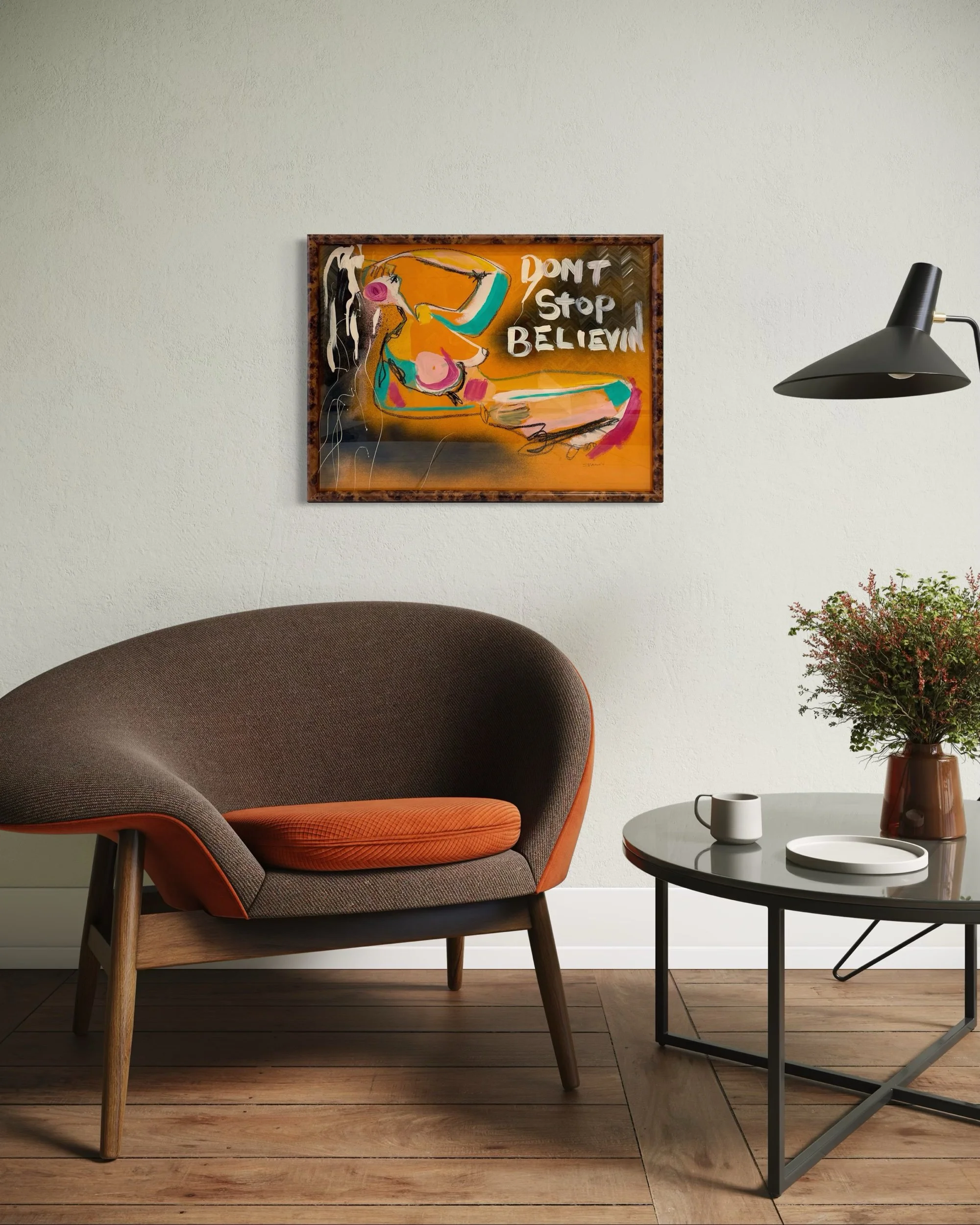
Don't Stop Believin'
This year’s Outsider Art Fair was widely described as both more clearly a stakeholder in a growing market category and more wide-ranging in what it includes under “outsider.”
Observer’s review captured that expanded sense of the field: a fair where each booth opens into a deeply personal universe, and where the category now encompasses not only art brut origins but also folk and self-taught artists long relegated to the margins, artists now receiving more institutional and market recognition.
This is the paradox: outsider art is increasingly “in.” The fair feels lively and accessible, yet it’s also part of a professionalized ecosystem with directors, curated sections, and rising attention. Curio’s takeaway isn’t to romanticize “outsideness.” It’s to hold the tension honestly: we can celebrate visibility while staying alert to what gets lost when authenticity becomes a commodity.
Signal #2: people are hungry for work that feels lived, intuitive, and unflattened
More than one review described the fair as an antidote to sterile, status-driven art fair culture. Hyperallergic called it an “egalitarian anchor” during unstable times, noting the optimism of watching art sell and seeing visitors express genuine delight.
Observer described a palpable energy at the preview - red dots across booths, strong engagement, and a sense of discovery that can stretch a “quick visit” into hours. When the world is loud, a lot of people seem to be seeking art that doesn’t feel like a product designed to perform. They want work that feels like a person made it because they had to, work that carries psyche, history, humor, tenderness, obsession. The fair is a concentrated dose of that. For collectors (especially newer ones), this can be incredibly liberating. It quietly gives permission to collect for resonance rather than status.
Signal #3: “context” is becoming part of the value
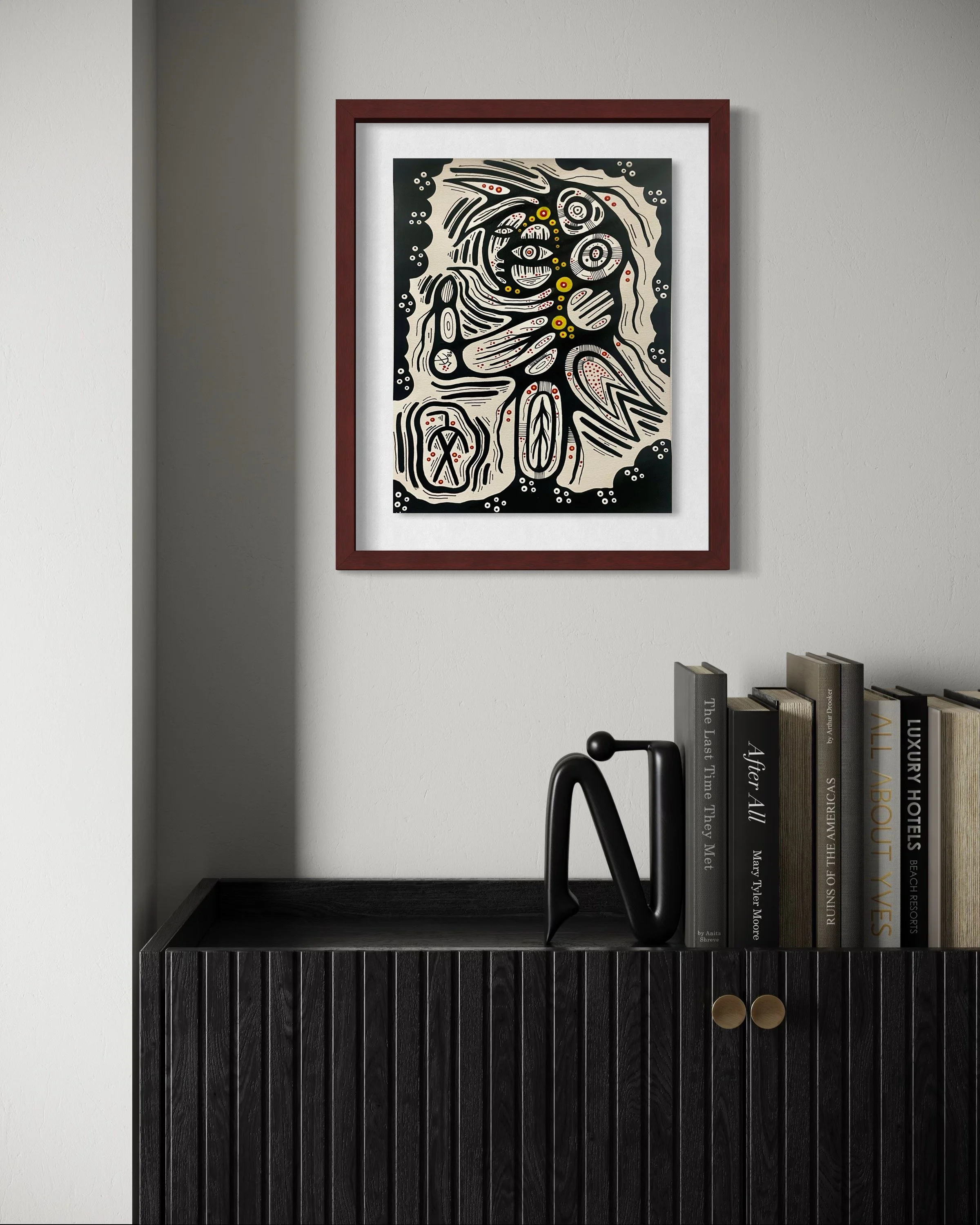
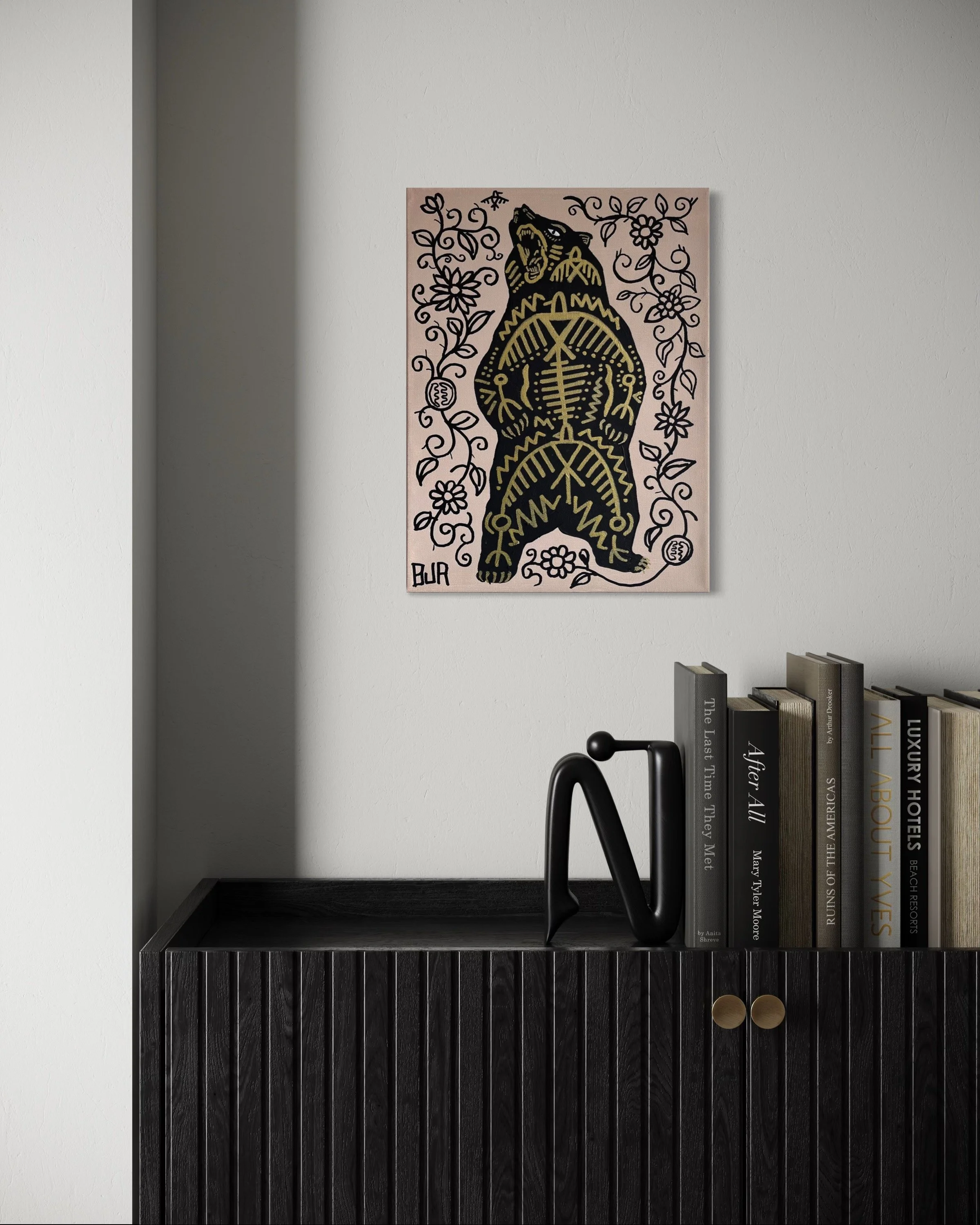
Artist Paints Symbol, 2023
A detail I appreciated in the Observer review was a note about standards: the fair’s owner, Andrew Edlin, spoke about elevating outsider art not only through quality but through how it is displayed and contextualized - something crucial to fostering appreciation alongside other artistic expressions.
This matters because outsider art has often been exhibited in ways that either infantilize it (“quirky,” “naïve”) or sensationalize it (trauma as spectacle). When the context is careful—when the presentation treats the work as art, full stop—collectors meet it differently.
This is also where Curio can come in, in a way that feels aligned with our ethos: not as gatekeeping, but as translation and care. We can help people understand the artist’s story without turning it into the only story. We can place work in homes in a way that feels respectful - like a relationship, not a flex.
Jackie Bradshaw at the fair: a Curio-adjacent moment we love to see
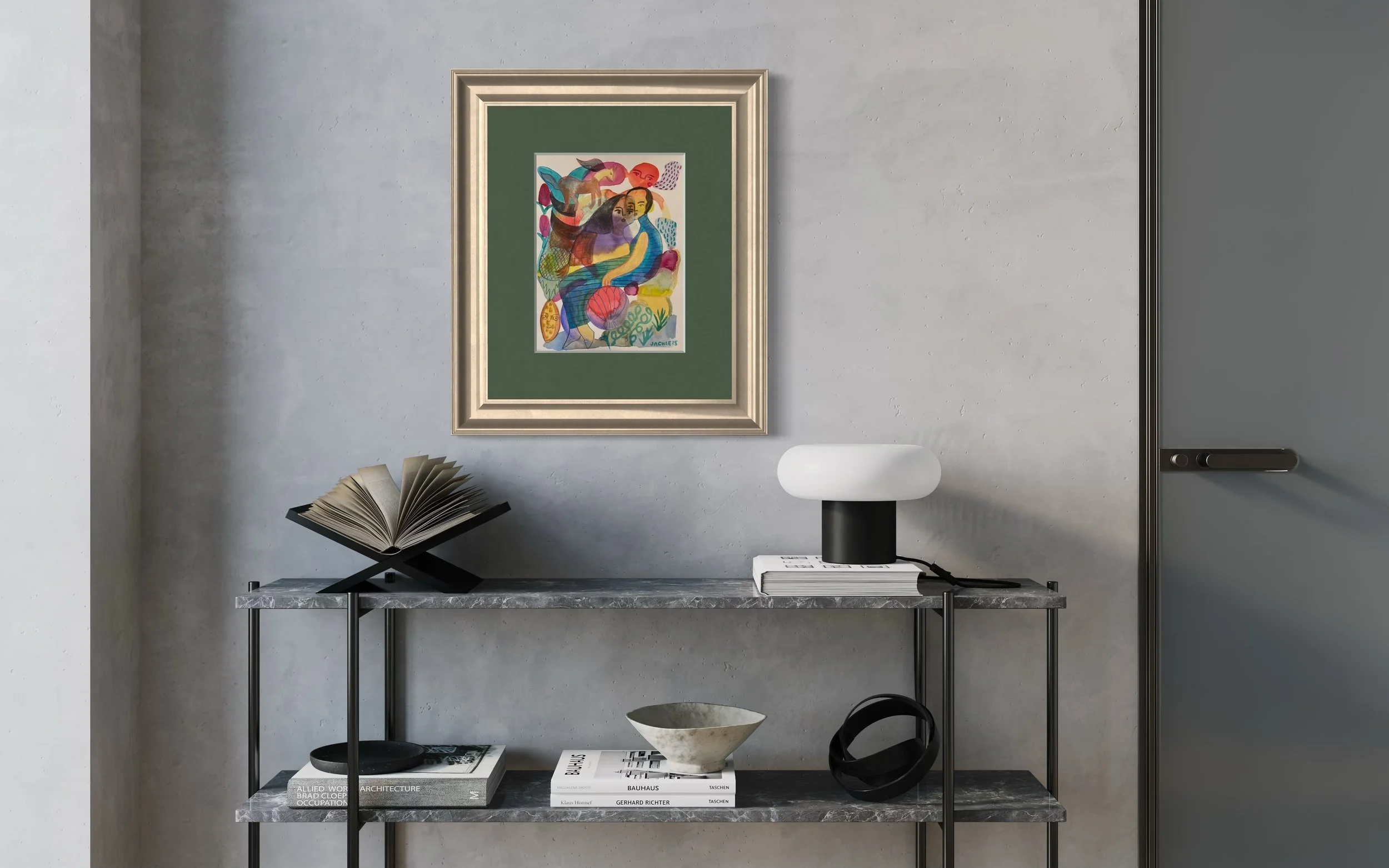
One of the most personal signals for us this year was seeing Jackie Bradshaw again at the fair, presented through the FolkArtwork Collective (Booth C4). FolkArtwork’s own announcement highlights Jackie as a Canadian folk artist from Kitchener, sharing how her practice grew from making mirror-image paintings with leftover daycare paint and how she continues making art to quiet mind and body.
Jackie’s presence at the Outsider Art Fair is a reminder of something important: “outsider” is not a style - it’s often a lived reality. And yet the work itself is not small. It’s transportive, rigorous in its own language, and deeply human.
For Curio, Jackie’s continuing visibility through FolkArtwork is also a prompt: to keep building the kind of ecosystem where self-taught artists are not only “discovered,” but supported, collected, and written about with real respect over time.
What this means for collecting with intention
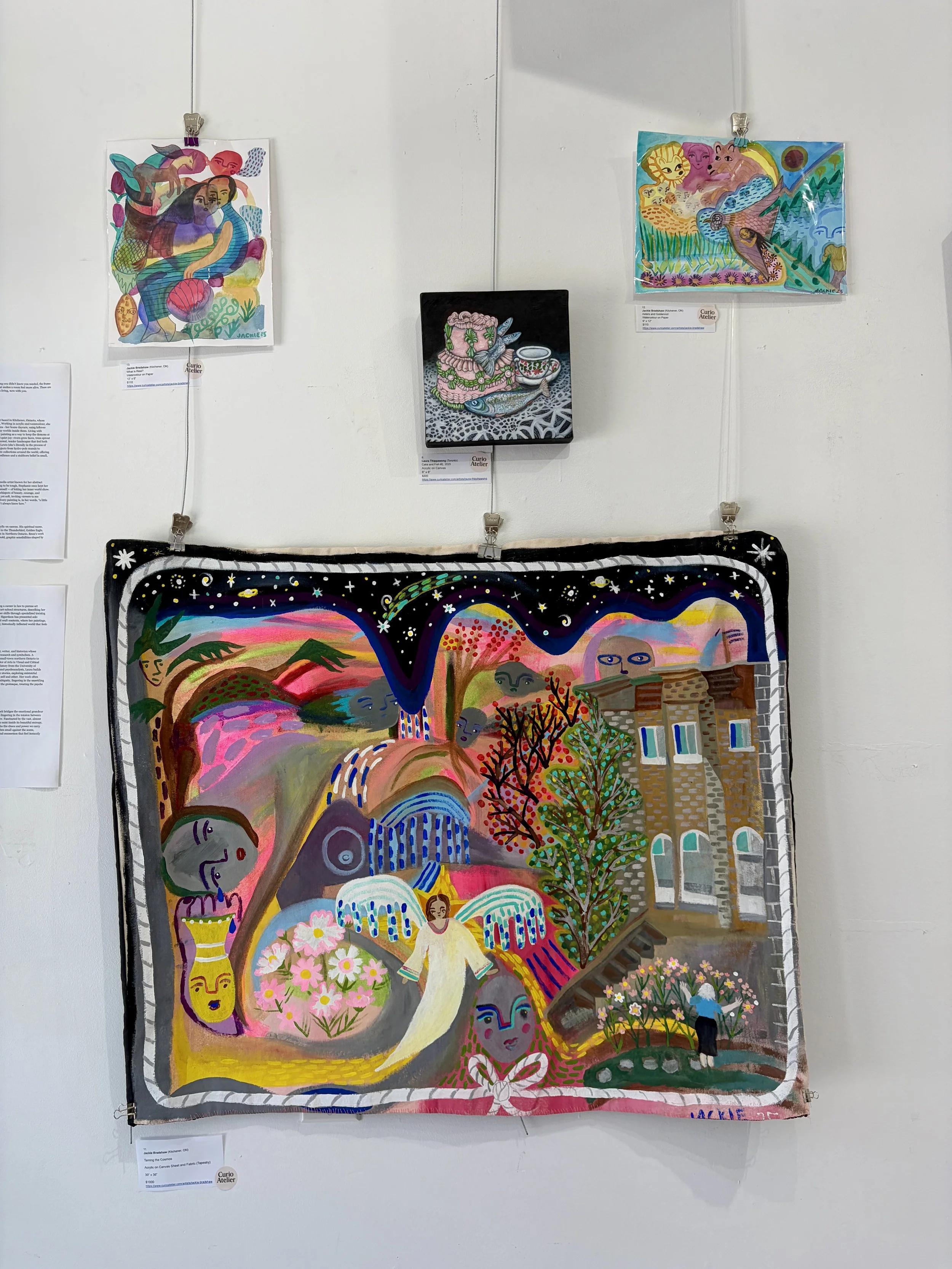
Installation Image of The Poetry of The Ordinary
If the Outsider Art Fair signals anything clearly in 2026, it’s this: the art world is slowly widening its definition of who belongs in the canon, and collectors are part of that widening.
Collecting with intention doesn’t require a big budget or insider knowledge. It requires attention. It means choosing work you want to live with for years, and choosing artists whose voices you want to help carry forward. It means letting a painting become a companion, not an asset.
It also means being thoughtful about the ethics of the category: avoiding biographical voyeurism, asking who benefits, and supporting the structures - galleries, collectives, small advisories - that treat artists as people first.
Curio’s role, as we keep growing, can be to hold that intention steady:
to keep championing self-taught and outsider-adjacent artists without romanticizing marginalization; to pair contemporary works with vintage pieces in a way that honors both; and to keep inviting collectors into a slower, warmer relationship with art - one built for real homes and real life.
Because in years like this, when the world feels unsettled, the art that lasts is often the art that helps us stay human.
References
Outsider Art Fair — official site overview (history + focus on self-taught / art brut / outsider art).
Outsider Art Fair — Outsider Art Fair Announces 2026 Exhibitors (official exhibitor announcement).
Outsider Art Fair — 2026 Exhibitors list (official exhibitor roster).
Bryan Martin, “New Ways of Seeing at the Outsider Art Fair,” Hyperallergic (Mar 20, 2026).
“Hyperallergic: New Ways of Seeing at the Outsider Art Fair,” Outsider Art Fair news repost (quotes + framing).
“Report: Outsider Art Fair 2026 New York Sales and Highlights,” Observer (Mar 2026).
“The Observer: At the Outsider Art Fair, Artists at the Margins Become the Market Stars,” Outsider Art Fair news repost (highlights + owner commentary).
FolkArtwork Collective, “The FolkArtwork Collective Returns to the Outsider Art Fair” (Feb 28, 2026) — including Jackie Bradshaw in the 2026 fair context.