
Beyond the Usual Names: Why Emerging, BIPOC and Self-Taught Artists Matter
How we think about value, visibility, and collecting at Curio Atelier
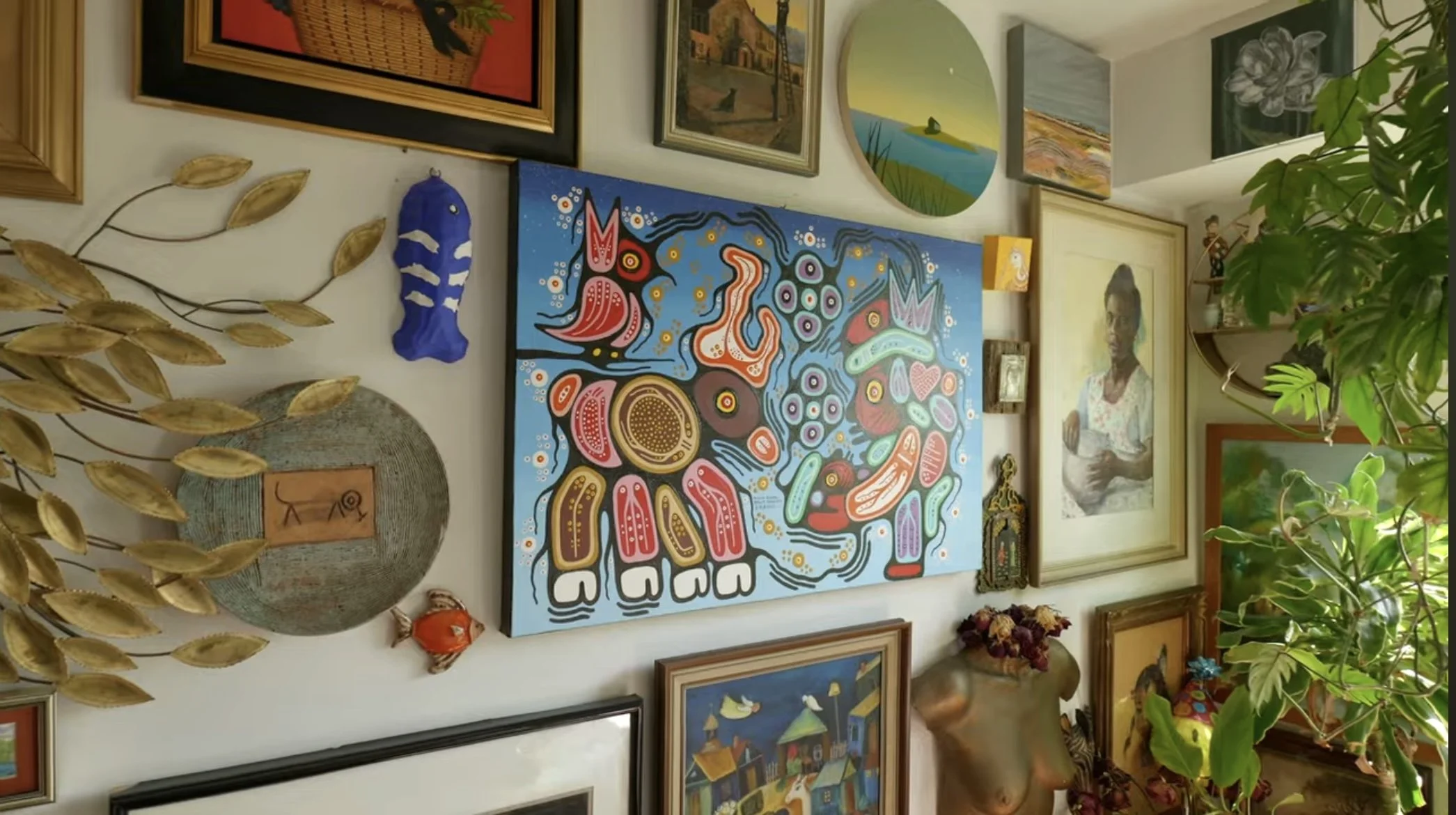
Toronto home curated by Curio Atelier
Woodland style artwork by Brent Hardisty
Walk into most museums, blue-chip galleries, or corporate lobbies and you’ll see a pattern: the same kinds of names, the same kinds of stories, told in the same kinds of voices.
Curio Atelier was created, in part, as a response to that.
From the beginning, we’ve centred emerging, BIPOC, and self-taught artists - not as a side category or special project, but as the core of how we think about value, visibility, and collecting.
Why these artists?
The stories are richer, and closer to real life
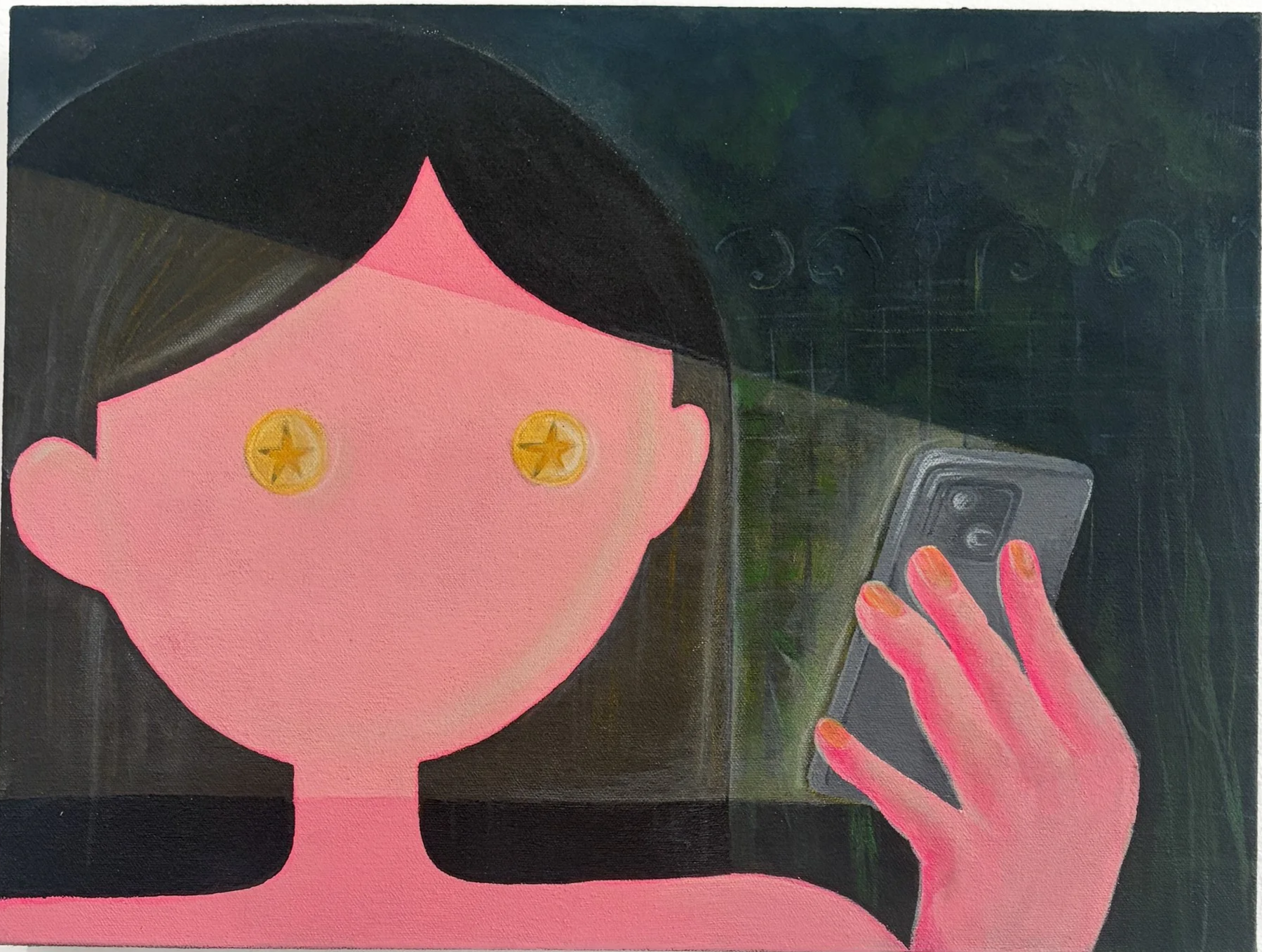
Waiting For an Uber Ride, 2025
Artwork by Riesbri
BIPOC and self-taught artists often work directly from lived experience: migration, mixed identities, working-class realities, new forms of family, small joys, and everyday grief. Their works carry perspectives that are still underrepresented on “official” walls.
When you collect this work, your home or workspace stops feeling like a catalogue shoot and starts reflecting the world you actually live in:
a painting that echoes your family’s background or neighbourhood
a portrait that holds both humour and unease
a small drawing that quietly references a specific memory or place
These pieces don’t just match the sofa—they start conversations.
Self-taught ≠ unserious
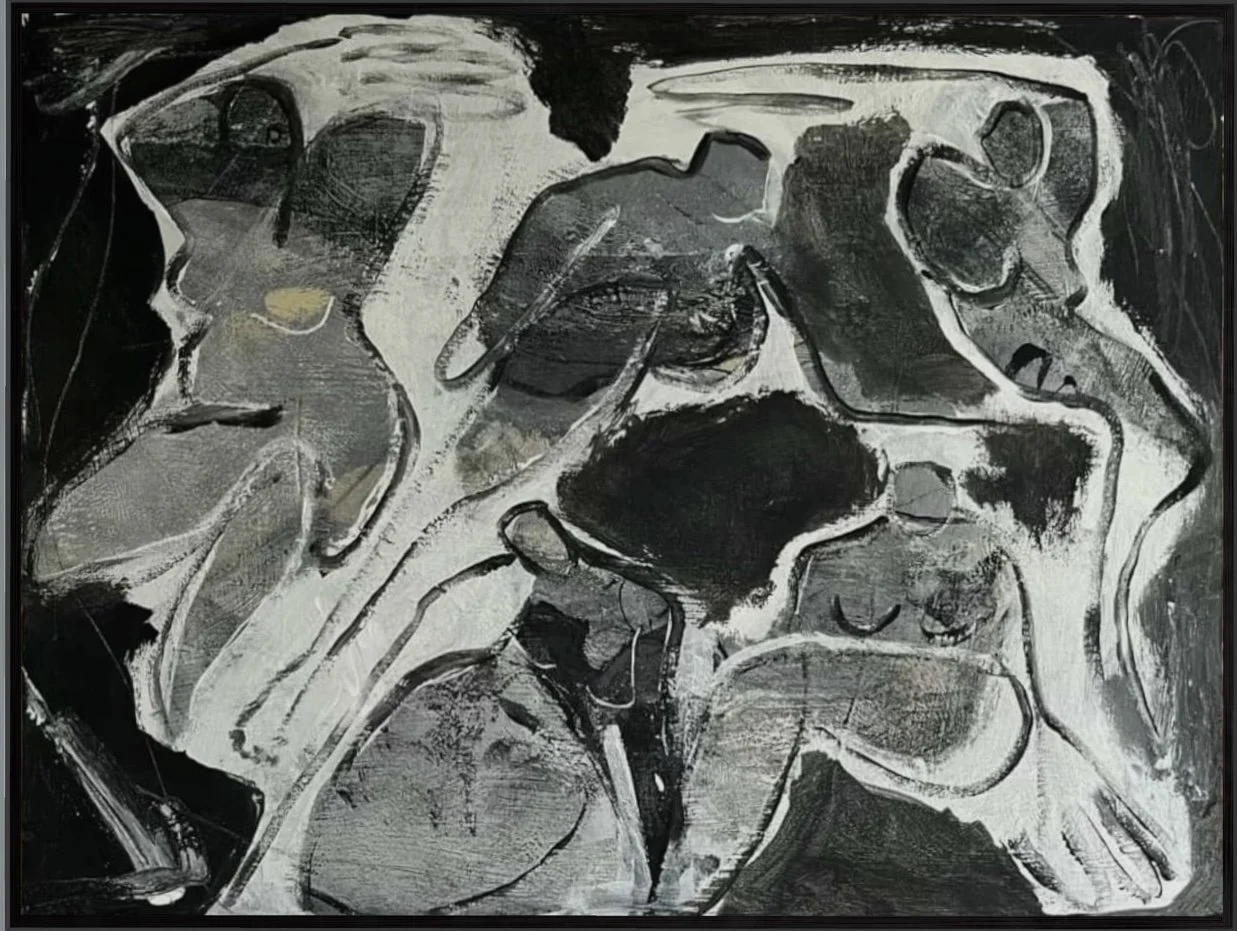
Anatomy of a Shared Silence, 2025
Artwork by Stephanie Baron
“Self-taught” doesn’t mean casual or amateur. It often means the artist’s path didn’t go through a traditional art school, but through:
community studios
apprenticeships and mentors
independent study and years of disciplined practice
Our job is to filter for rigour, consistency, and an evolving practice, not just a polished CV. By the time an artist appears on our roster, we’ve already spent time with their work and their thinking, whether or not they have letters after their name.
Early-career is where value is created

In Blue Mountains
Artwork by Charlotte Sigurdson
We don’t treat art like a stock ticker, but it’s fair to say: thoughtful collecting of strong emerging artists has long-term potential.
When you buy emerging work:
prices are often more accessible than established names
your support directly funds studio time, materials, and growth
as an artist’s career develops, your early pieces can gain visibility and value alongside them
You’re entering the story closer to the beginning, not buying the last chapter after everyone else has already read it.
What this means for your walls
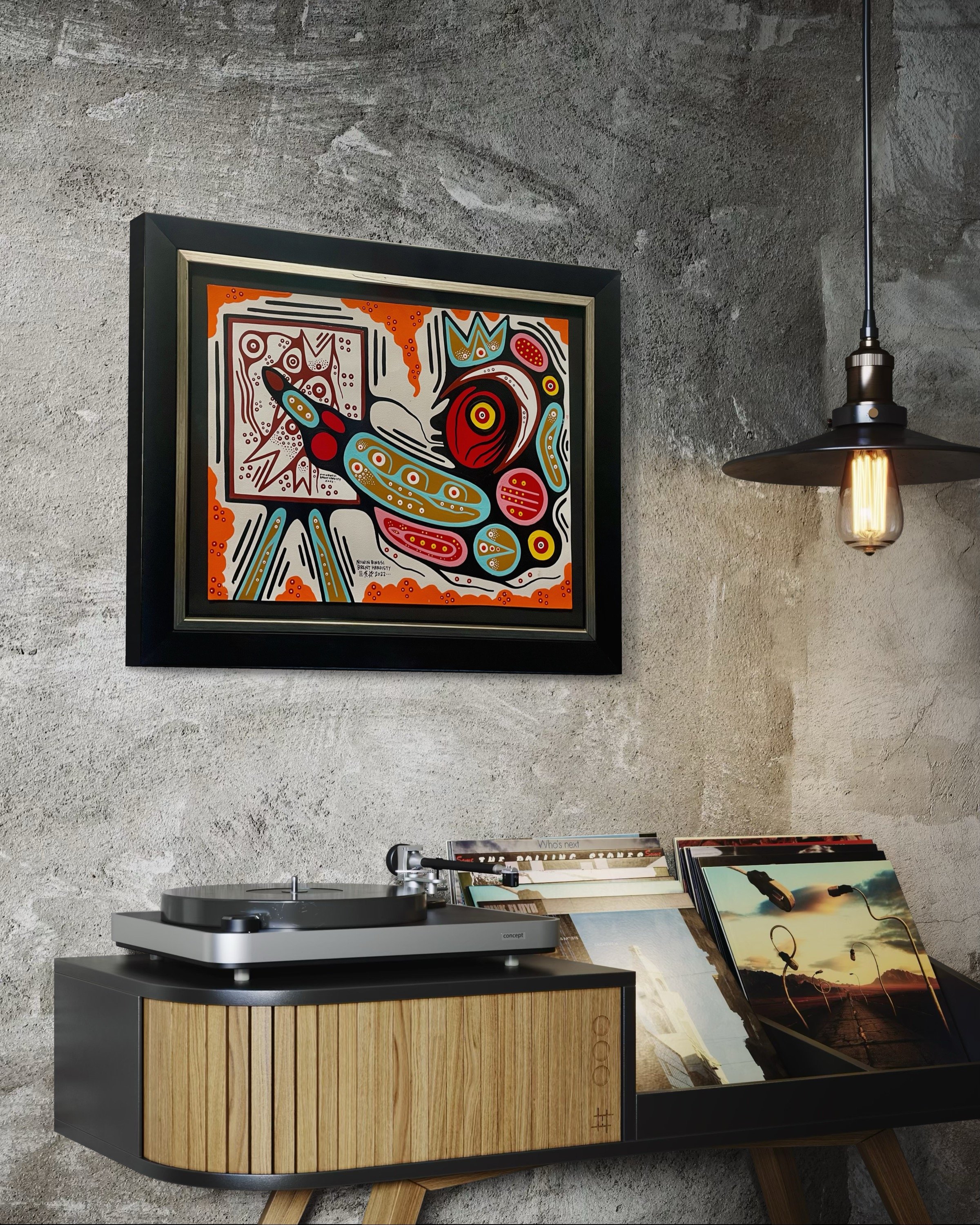
Artist Paints His Spirit Helper, 2022
Artwork by Brent Hardisty
A collection centred on emerging, BIPOC, and self-taught artists tends to:
Feel more alive. The work carries urgency and specificity; you can feel the artist is very much in their present moment.
Feel more personal. You’re not copying a museum checklist, you’re choosing pieces that resonate with your own life, values, and questions.
Signal what you care about. Without any speeches, your walls quietly say: “I care who gets to be visible here.”
At Curio Atelier, we often layer these works with vintage pieces and objects. The result is a room where different timelines and voices sit together: a new painting beside a mid-century print; a contemporary sculpture next to a well-loved ceramic. It feels collected, not decorated.
One wall at a time
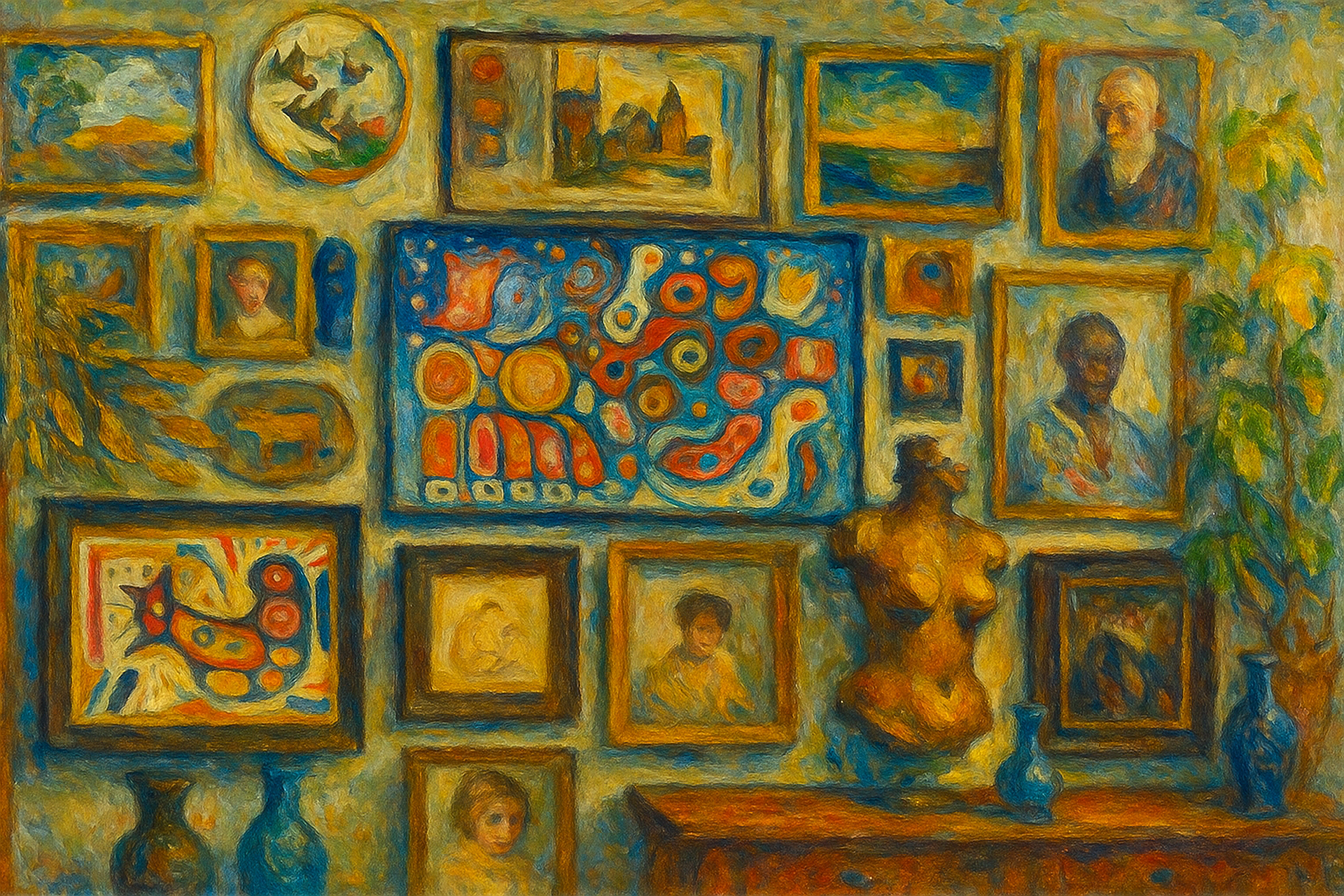
In the end, this is what we care about:
That you can walk past your walls and remember not only where you got a piece, but who made it, what they were thinking about, and why it resonates with you.
A home or business built around emerging, BIPOC, and self-taught artists is never generic. It’s layered, specific, and quietly future-facing. You’re helping shape the kind of art world you’d like to see - one wall at a time.